Choosing the Right Roof: Comparing Asphalt, Metal, and Tile Options
Deciding on the right roof for your home is a big deal. It’s not just about how it looks, but also how well it keeps you dry and protected from the weather. You’ve got a few main options to think about: asphalt shingles, metal, and tile. Each one has its own good points and not-so-good points, and what works best for your neighbor might not be the best for you. We’ll help you sort through the choices so you can pick the right roof: comparing asphalt, metal, and tile options.
Key Takeaways
- Asphalt shingles are usually the most budget-friendly option upfront and come in many styles, but they typically don’t last as long as metal or tile roofs and may need replacing more often.
- Metal roofing offers excellent durability and can last for decades with minimal maintenance, often saving money in the long run and providing good energy efficiency, though the initial cost is higher.
- Tile roofing, like clay or concrete, is very durable and offers a distinct aesthetic appeal, but it’s heavy, can be fragile, and is often one of the more expensive choices.
- When making your choice, consider your budget, how long you plan to stay in your home, the local climate, and how much maintenance you’re willing to do.
- No matter the material, professional installation is super important for making sure your roof performs well and lasts as long as it should.
Understanding Asphalt Shingle Roofing
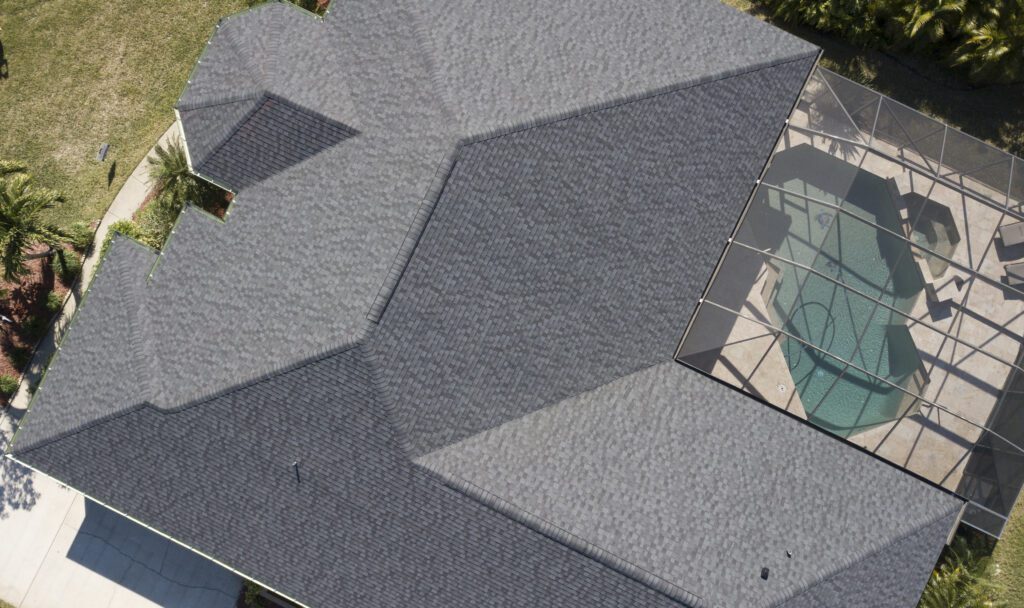
Asphalt shingle roofing has long been a favored choice for homeowners in North America, thanks to its affordability and aesthetic appeal. This roofing material is prevalent in neighborhoods across the continent, striking a balance between cost-effectiveness and style. With a wide variety of colors and designs available, asphalt shingles can complement various architectural styles, making them a versatile option for many. When exploring asphalt shingles, homeowners will encounter three main types: basic three-tab shingles, which are budget-friendly; architectural shingles, which offer enhanced durability and texture; and premium shingles, designed to replicate the luxurious appearance of materials like slate or wood shakes. This introduction highlights the reasons behind the popularity of asphalt shingles and the different options available for those considering a new roof.
Lifespan and Durability Considerations
Asphalt shingles typically last between 15 to 30 years, depending on the type and quality. Basic three-tab shingles have a lifespan of 15 to 20 years, while architectural shingles last around 25 to 30 years, with premium varieties offering warranties of up to 50 years. Factors affecting their durability include the quality of the shingle, climate conditions, and proper installation. Extreme weather can accelerate wear, and signs of damage, such as curling edges or granule loss, should prompt roof inspections. Understanding these aspects is crucial for homeowners considering asphalt roofing and planning for future replacements.
Exploring Metal Roofing Options

Metal roofing has become an increasingly popular choice for homeowners seeking a durable and stylish roofing solution. Known for its longevity and efficiency, metal roofing offers a variety of styles to suit different architectural preferences. The most prevalent option is standing seam metal roofing, characterized by its raised vertical seams that provide a modern look and superior weather protection. Additionally, metal shingles or tiles can replicate the appearance of traditional roofing materials like asphalt, slate, or wood shakes, allowing homeowners to enjoy the benefits of metal while maintaining a classic aesthetic. For those on a budget or with specific design needs, corrugated metal panels are also available, though they are less commonly used in residential settings.
Long-Term Value and Investment
Metal roofing is a long-term investment that, despite its higher initial cost compared to asphalt shingles, offers significant value over time. With a lifespan of 40 to 70 years or more, a well-installed metal roof could be the last replacement needed, as opposed to multiple asphalt replacements. Its durability and lower maintenance requirements make it a financially sound choice for homeowners looking to stay in their homes for the long run.
Benefits in Various Climates
Metal roofs excel in various climates, effectively handling heavy snow by allowing it to slide off, thus reducing ice dam risks. They demonstrate superior wind resistance due to interlocking panels and are resistant to rot, insects, and mildew, ensuring durability. Additionally, they are non-combustible and reflect solar heat, helping to lower cooling costs. Proper installation by a qualified contractor is essential to maximize these benefits and ensure optimal performance.
The Enduring Charm of Tile Roofing
Clay and concrete tiles, known for their aesthetic appeal and durability, are popular roofing choices. Clay tiles, made from natural earth, come in various shapes and colors, adding a rustic charm, while concrete tiles, composed of cement, sand, and water, offer versatility in design and can imitate other materials. Both types are heavy and provide resistance to fire, rot, and insects. Their ability to customize looks enhances home curb appeal, allowing homeowners to achieve styles ranging from traditional to modern.
Durability and Maintenance Requirements
Classical clay and concrete tile roofing has been renowned for its durability and beauty. These materials evoke traditional Spanish homes and modest European cottages and compliment any architectural style. Clay tiles are rustic and inviting, while concrete tiles can be shaped and colored to suit a home’s style. Both varieties are hefty and require structural consideration, but they resist fire, rot, and insects, making them practical. Tile roofing is admired for its curb beauty and durability. If you’re looking for a contractor experienced with these materials, checking out local Melbourne, FL roofing contractors can be a good start.
Matching Roofing to Your Environment
When you’re picking out a new roof, it’s not just about how it looks or how much it costs upfront. You’ve really got to think about where you live. The weather in your area plays a huge role in how well your roof holds up over time and how much work it’ll need. Choosing the right material for your specific climate can save you a lot of headaches and money down the road.
Performance in Extreme Weather Conditions
Different climates present roof issues. Consider heavy snowfall, scorching summer sun, or high winds and rain. Some materials can’t handle much. Asphalt shingles may crack or lose granules in severe heat or freeze-thaw cycles. However, metal roofs are strong and shed snow and rain well. They’re fire-resistant, which is great in dry locations. Heavy clay and concrete tile roofs might be a problem in snowy places, but they can withstand wind and hail.
- Heavy Snow Loads: Metal and certain types of tile are excellent at shedding snow, preventing dangerous buildup. Asphalt shingles can handle snow but might require more frequent clearing if the accumulation is extreme.
- High Winds: Interlocking tiles and well-fastened metal panels offer superior wind resistance compared to standard asphalt shingles.
- Intense Heat: Lighter-colored metal and tile roofs reflect more sunlight, keeping your home cooler. Some asphalt shingles have reflective coatings, but they generally absorb more heat.
- Hail: Metal and thick tile roofs are generally more resistant to hail damage than asphalt shingles.
Your roof is your home’s first line of defense against the elements. Making sure it’s built to withstand the typical weather patterns of your region is a smart investment in your home’s safety and longevity.
Climate-Specific Material Advantages
In regions with heavy snow and freeze-thaw cycles, sturdy materials like strong metal roofs and concrete tiles are favored for their snow-shedding capabilities, though tile weight necessitates structural support. For hot climates, energy-efficient options such as metal and lighter-colored tile roofs are recommended for their ability to deflect heat, lowering air conditioning costs. Reflective asphalt shingles are also viable. In coastal areas, it’s essential to select materials that resist corrosion from salt and humidity, with well-sealed tile roofs and aluminum or copper roofing being ideal. Finally, management of snow loads and heat reflection are critical considerations, with lighter roof colors providing better solar energy management, thereby reducing cooling expenses.
Ensuring Quality Installation and Longevity
Ensuring proper installation of your new roof is crucial for its longevity and effectiveness. Professional installers possess the expertise to manage details like sealing edges and ensuring secure attachments, which are vital for preventing leaks and wind damage. A well-installed roof adheres to building codes and best practices, protecting your investment and residence from costly future repairs.
Understanding Warranties and Guarantees
Before the work even starts, you’ll want to get a clear picture of what kind of warranty comes with your new roof. Most manufacturers offer warranties on their materials, but these can vary a lot. Then there’s the installer’s warranty, which covers their workmanship. It’s important to understand what each covers and for how long. For example, a manufacturer’s warranty might cover a defect in the shingle itself, but if it fails because it wasn’t installed correctly, the installer’s warranty should kick in. Always ask for these details in writing. It’s a good idea to check out roof repair vs replacement information to see how warranties play into the overall decision.
Long-Term Maintenance for Roof Health
Even the best-installed roof needs a little bit of attention now and then to keep it in top shape. Regular check-ups are key. You don’t need to be up there every week, but a quick look-over once or twice a year can catch small issues before they become big problems.
Here’s a simple maintenance checklist:
- Clear Debris: Keep an eye out for fallen leaves, branches, or other gunk that can clog gutters or trap moisture against your roof.
- Inspect Gutters: Make sure your gutters are clear and draining properly. Clogged gutters can cause water to back up under your shingles or fascia.
- Look for Damage: Periodically check for any loose, cracked, or missing shingles, or any signs of wear and tear on metal or tile roofs.
- Trim Overhanging Branches: Trees are nice, but branches rubbing against your roof can cause damage over time. Keep them trimmed back.
Taking a proactive approach to roof maintenance can significantly extend its lifespan and prevent unexpected expenses. It’s about being observant and addressing minor concerns promptly.
Remember, your roof is a major part of your home’s protection. Investing in quality installation and staying on top of maintenance will pay off in the long run, giving you peace of mind and saving you money.
We make sure your roof is put on right the first time and lasts for years to come. Our team follows strict steps to guarantee a great job. Want to learn more about how we ensure top-notch installation and long-lasting results? Visit our website today!
Making Your Final Choice
You’ve looked at asphalt, metal, and tile. It’s a lot to think about, right? Asphalt is usually the easiest on your wallet upfront and comes in tons of styles. Metal lasts a really long time and can save you on energy bills, plus it looks pretty sleek. Tile, well, it’s beautiful and lasts ages, but it’s heavy and can be pricey. Think about how long you plan to stay in your home, what your budget really is, and what kind of look you’re going for. Don’t forget to factor in your local weather, too. Talking to a good roofing pro can really help you sort through all these details and pick the roof that’s just right for your house and your peace of mind.
Need Expert Advice on Your Roofing Project? Contact us today!
Get A Free Estimate
"*" indicates required fields
