Does a New Roof Increase Home Appraisal Value?
Thinking about whether a new roof actually bumps up your home’s appraisal value? It’s a question many homeowners ask when they’re looking to sell or just want to make sure their property is in good shape. While it might not be as flashy as a new kitchen, your roof is a pretty big deal when it comes to how your home is valued. Let’s break down what appraisers look for and how a solid roof can make a difference.

Key Takeaways
- A clean roof boosts property evaluation value by indicating good care and lowering buyer fears about immediate issues.
- If your roof shows evidence of wear, age, or damage, appraisers may lower its value, delaying a sale.
- Architectural shingles or metal roofing can add value compared to simple choices.
- To understand how a new roof operates in your area, consult local experts. Market conditions and regional patterns matter.
- Regular care, professional repairs, and roof replacement nearing its lifespan can safeguard and raise your home’s value.
Assessing Roof Condition’s Impact on Home Appraisals
Assessing the condition of a roof is crucial in home appraisals, as it reflects the overall care of the property. Signs of wear such as cracked shingles and mold indicate potential water damage, which raises concerns for appraisers. Roof age also plays a role; newer roofs suggest less immediate replacement costs, while older roofs may signify future expenses. Functionality is key, especially for lenders, who need assurance that the roof adequately protects the home. A well-maintained roof enhances the perceived value of a property, whereas a neglected roof can lead to lower appraisals due to concerns about maintenance and future costs.
Understanding the Value Added by a New Roof
When you’re thinking about making improvements to your home, a new roof might not be the first thing that comes to mind, unlike a kitchen remodel or a bathroom upgrade. However, the roof is a pretty big deal when it comes to how people see your house and what it’s worth. A roof that looks good and is in solid shape can make a huge difference when you’re trying to sell. And if you’re staying put, it’s a smart investment that pays off both now and later.
Short-Term Buyer Perception and Long-Term Savings
Roof replacement benefits you immediately. Buyers frequently see the roof first, unconsciously. A new roof indicates that your home has been well maintained and won’t need substantial repairs soon. This alone can boost your pricing. A new roof has long-term worth beyond the sale. A well-kept roof improves your home’s structure and energy efficiency, lowering heating and cooling costs. While this may seem insignificant, consumers are increasingly seeking homes with lower utility bills. Buyers considering long-term savings may choose a new roof, especially one with energy-saving features.
The Impact of a New Roof on Curb Appeal
Let’s face it—the roof makes your home look big from the street. A worn, discolored, or damaged roof can ruin your home’s appearance. A new roof can boost your home’s exterior appeal. This gives potential purchasers a good initial impression of the house’s upkeep. This cosmetic update can set your property apart from the area and give you a good feeling right away. Giving your house a facelift makes it more appealing.
Reduced Buyer Concerns and Increased Offers
When a home has an outdated or broken roof, buyers worry. They may hesitate to offer or offer less due to the cost and difficulty of repairs or replacements. A new roof eliminates this key concern. This tells purchasers that this is one huge expense they won’t have to deal with for long. This peace of mind might encourage serious offers and buyer competitiveness, especially in busy markets. It simplifies buying and makes your home more appealing. A new roof can be the deciding factor that turns a hesitant buyer into a confident one.
- Immediate Visual Improvement: A new roof instantly makes your home look better from the street.
- Financial Relief for Buyers: It removes a significant future expense, making your home more affordable in the long run.
- Increased Negotiating Power: With a major concern addressed, you’re in a stronger position during price talks.
- Faster Sale Process: Buyers are less likely to delay or back out due to roof concerns.
A new roof isn’t just about aesthetics; it’s a practical investment that addresses a major potential expense for future owners. This proactive step can significantly smooth the selling process and positively influence the final sale price, making it a worthwhile consideration for any homeowner looking to maximize their property’s appeal and value. It’s a key component in making your home more attractive to potential buyers.
Factors Influencing a New Roof’s Return on Investment
You’re thinking about a new roof and wondering how much bang you’ll get for your buck. It’s not just about slapping on some shingles; several things play a role in how much value that investment actually adds to your home. Think of it like this: you wouldn’t expect the same return on a basic sedan as you would on a luxury car, right? The same applies to your roof.
Material Choices and Their Value Proposition
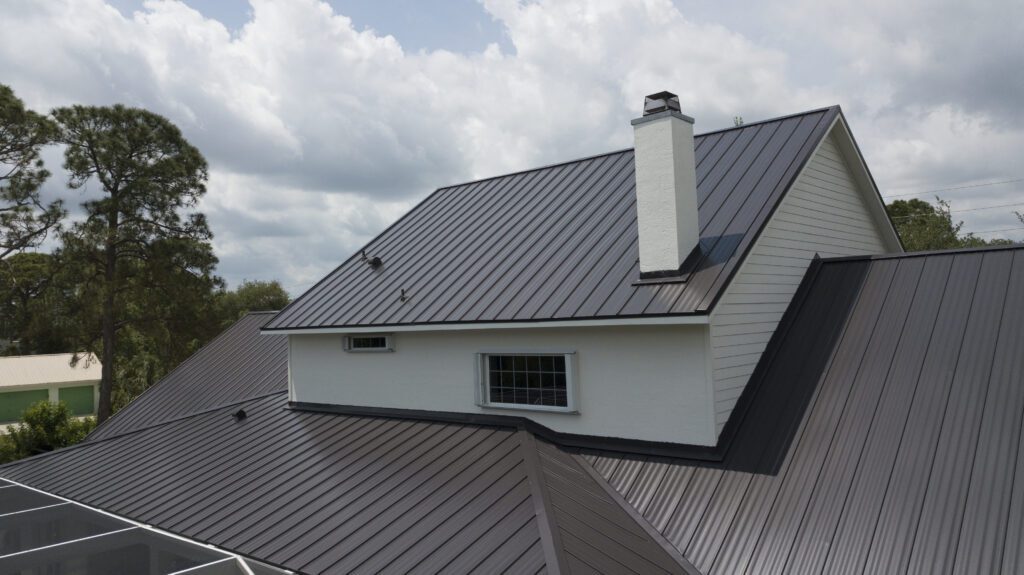
Your roofing material choice is important. Standard asphalt shingles are common and offer a reasonable return, but they may not be the best option. Asphalt shingles often return 60%–70% of their cost. However, other options may yield a larger return. In tough climates, metal roofing is durable and can yield a higher return. Due to their appeal, stone-coated metal roofs may yield a better ROI. Clay or concrete tile roofs are durable and attractive, especially in certain neighborhoods. Premium materials may require structural reinforcements and cost more.
Regional Market Variations in Roof Value
The place you live matters. Your local housing market and buyer expectations can change the numbers. A new roof can be a significant selling point in climate-prone areas or when buyers desire a move-in-ready house. This may increase ROI. In places with heavy rain or extreme temperatures, a durable, modern roof is ideal. New roofs can help your property sell faster and attract several offers, thus increasing its value. Check what’s average for your area.
The Influence of Local Real Estate Conditions
Beyond climate, local real estate market health matters. In a seller’s market, buyers may overlook an aging roof. If your roof is old and many homes in your community have new ones, it may look less enticing in a competitive market. Schedule a roof replacement just before advertising your house to avoid inspection difficulties and make a good first impression. An edge may result. Pairing a new roof with other minor changes might boost your return even further.
As replacing your roof is a major project, understanding these aspects can help you choose materials and timing to maximize your home’s worth.
Here are some common roofing materials and their general ROI:
- Asphalt Shingles: Widely used, affordable, good for general repairs. Expect around 60-70% ROI.
- Metal Roofing: Durable, energy-efficient, good in various climates. Can offer a higher ROI than asphalt.
- Tile Roofing (Clay/Concrete): Long-lasting, premium aesthetic, especially in upscale areas. High upfront cost but can yield strong returns.
- Composite Materials: Offer durability and aesthetic appeal, sometimes mimicking other materials like slate or wood shakes. ROI can vary based on quality and appearance.
Maximizing Home Value Through Roof Upgrades
Strategic roof upgrades can boost property value. The roof protects your property from the elements and influences purchasers’ and appraisers’ opinions of its condition. Architectural shingles or metal roofing can increase durability and appeal, raising the evaluation value. Materials with longer warranties and energy-efficient solutions may qualify for tax benefits. New gutters, attic insulation, and ventilation can boost your home’s longevity and appeal. Homeowners can show they care by prioritizing roof upgrades, which can boost market value and buyer interest.
Here are some points to consider when planning your roof upgrade:
- Material Longevity: Research the expected lifespan of different roofing materials in your climate.
- Warranty Coverage: Look for materials with strong manufacturer warranties, which can be a selling point.
- Aesthetic Match: Choose materials that complement your home’s architectural style and the surrounding neighborhood.
- Energy Efficiency: Explore options that can help reduce cooling costs, especially if you live in a warmer climate.
When a Roof Replacement Becomes a Necessary Investment
Sometimes, a roof isn’t just about looking good; it’s about preventing bigger headaches. You might be thinking about selling your home, or maybe you’ve just noticed some concerning signs. Ignoring an aging roof can lead to more significant problems down the road, so replacing it before listing your home could prevent issues during the inspection process and make your place more attractive to potential buyers.
Addressing Nearing Lifespan and Urgent Issues
When your roof is dying, pay notice. No storm is needed to trigger a significant leak. Roofs often show signs of aging before failing. Consider curling or broken shingles, missing granules, and moss. These aren’t just cosmetic issues—they may indicate roof damage. These indicators indicate a replacement is imminent, therefore responding sooner is usually best.
The Financial Implications of a Damaged Roof
A damaged or old roof isn’t just a potential buyer turn-off; it can actually cost you money. Leaks can lead to water damage inside your home, affecting ceilings, walls, and even your insulation. This can create a breeding ground for mold and mildew, which are serious health concerns and expensive to remediate. Furthermore, poor roof performance can impact your home’s energy efficiency, leading to higher heating and cooling bills. When you’re looking to sell, an inspector will definitely be checking the roof, and any major issues found can lead to significant price reductions or even the deal falling through.
Legal Disclosures and Buyer Expectations
Most areas require homeowners to disclose home defects, including major roof issues. Hiding a leaking or worn roof can result in legal issues after the sale. Modern buyers are more knowledgeable and want homes to be in good condition, especially the roof. Buyers may worry about potential maintenance issues if the roof looks deteriorated. They may demand a large discount to fund repairs or move on to a more move-in-ready property.
- Curling or cracked shingles
- Missing granules in gutters
- Visible sagging in the roofline
- Frequent leaks or water stains on ceilings
- Extensive moss or algae growth
Strategic Roof Maintenance for Appraisal Enhancement
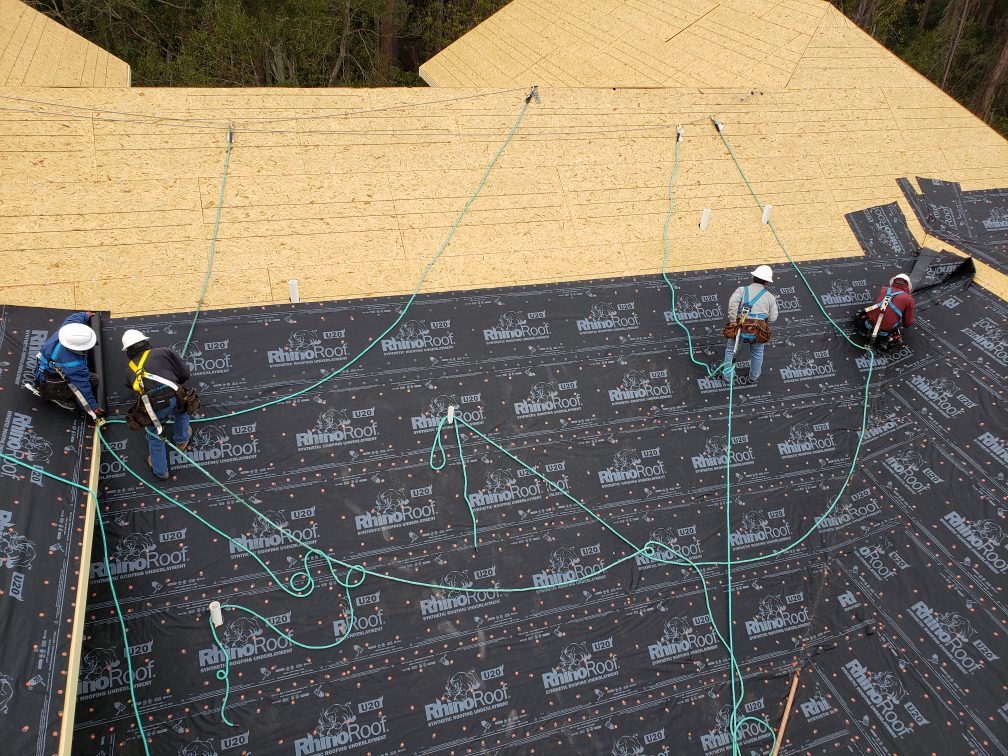
You know, taking care of your roof isn’t just about preventing leaks; it’s a smart move for your home’s appraisal value too. Think of it as an ongoing project, not just a one-time fix. Keeping your roof in good shape shows you’ve been a responsible homeowner, and that’s something appraisers and potential buyers notice.
The Importance of Regular Inspections and Repairs
Regular check-ups are key. You don’t want to wait until you see water stains on the ceiling to think about your roof. Catching small issues early, like a few loose shingles or some debris buildup in the gutters, can save you a lot of money and hassle down the road. It’s like going to the doctor for a check-up; it’s better to find out about a small problem before it becomes a big one.
- Schedule inspections at least twice a year, ideally in the spring and fall.
- Look for obvious signs of wear: cracked, curling, or missing shingles.
- Keep gutters clean: Clogged gutters can cause water to back up under shingles.
- Check for moss or algae growth: These can break down roofing materials over time.
Professional Workmanship for Lasting Value
Hiring professionals for repairs and cleaning significantly enhances workmanship, ensuring durability and performance of your roof. While cheaper options may seem sufficient initially, they can lead to long-term issues and lower property value. Investing in qualified services brings not only assurance of quality but also contributes to a more reliable roof and improved home valuation.
The Role of Warranties in Buyer Confidence
Warranties play a crucial role in enhancing buyer confidence when selling a home. A transferable warranty indicates that a roof is protected and showcases the seller’s investment in quality, reducing potential buyers’ concerns about the home’s value. Additionally, maintaining the roof is essential for safety and increasing the property’s worth, as regular maintenance can lead to more favorable appraisals. Understanding the impact of a well-maintained roof on home value is important for sellers. Visit our website today for expert tips and services!
What’s the Verdict on Your Roof’s Value?
When it comes to whether a new roof bumps up your home’s appraisal value, the answer is usually yes, but it’s not a simple ‘always.’ Think of it this way: a roof in rough shape is a big red flag for appraisers and potential buyers. It signals potential problems and costs down the road, which definitely brings down what your home is worth. On the flip side, a new, solid roof? That’s a huge plus. It shows you’ve taken care of the place and removes a major worry for anyone looking to buy. While the exact dollar amount it adds can change based on your local market and the materials you pick, a good roof generally makes your home more attractive and can help you get a better price. So, if your roof is showing its age, getting it replaced isn’t just about avoiding leaks; it’s a smart move for your home’s overall worth.
Need Expert Advice on Your Roofing Project? Contact us today!
Get A Free Estimate
"*" indicates required fields
