Roof UV Damage: Signs Florida Homeowners Miss
Florida’s sunshine draws millions of people to the state every year, but that same sun takes a serious toll on your roof. While homeowners often worry about hurricanes and heavy rain, ultraviolet radiation works quietly in the background, breaking down roofing materials day after day. The damage accumulates slowly, making it easy to miss until something goes wrong.
By the time you notice a leak or see obvious deterioration, the underlying structure may already need significant repairs. Understanding how to spot UV damage early can save you thousands of dollars and prevent unexpected headaches.
Key Takeaways
- UV rays break down roofing materials over time, even without visible storm damage.
- Color fading and granule loss are early warning signs that many homeowners overlook.
- Cracked, curled, or brittle shingles often point to prolonged sun exposure.
- Regular inspections help catch UV damage before it leads to costly repairs.
- Cool roofing materials and reflective coatings can extend your roof’s lifespan in Florida’s climate.
How UV Radiation Breaks Down Your Roof
Sunlight contains ultraviolet rays that penetrate roofing materials and cause chemical changes at the molecular level. Over time, these changes weaken the protective oils in asphalt shingles, causing them to dry out and become brittle. The process happens gradually, which is why most homeowners don’t realize the damage until it becomes severe. According to research on ultraviolet radiation and roofing materials, UV exposure accelerates aging in most common roofing products.
Tile and metal roofs aren’t immune either. While these materials handle UV better than asphalt, they still experience degradation. Metal can lose its protective coating, leading to rust and corrosion, while tile may crack as the underlying structure weakens. If you want to understand more about how this happens, the full breakdown of roof uv damage explained covers why sun exposure poses a bigger threat than many people realize.
Signs of UV Damage You Might Be Missing
The tricky thing about UV damage is how subtle it looks in the early stages. Your roof might appear fine from the ground, but closer inspection often reveals warning signs that point to serious wear. Knowing what to look for helps you catch problems before they turn into expensive repairs.
1. Color Fading and Discoloration
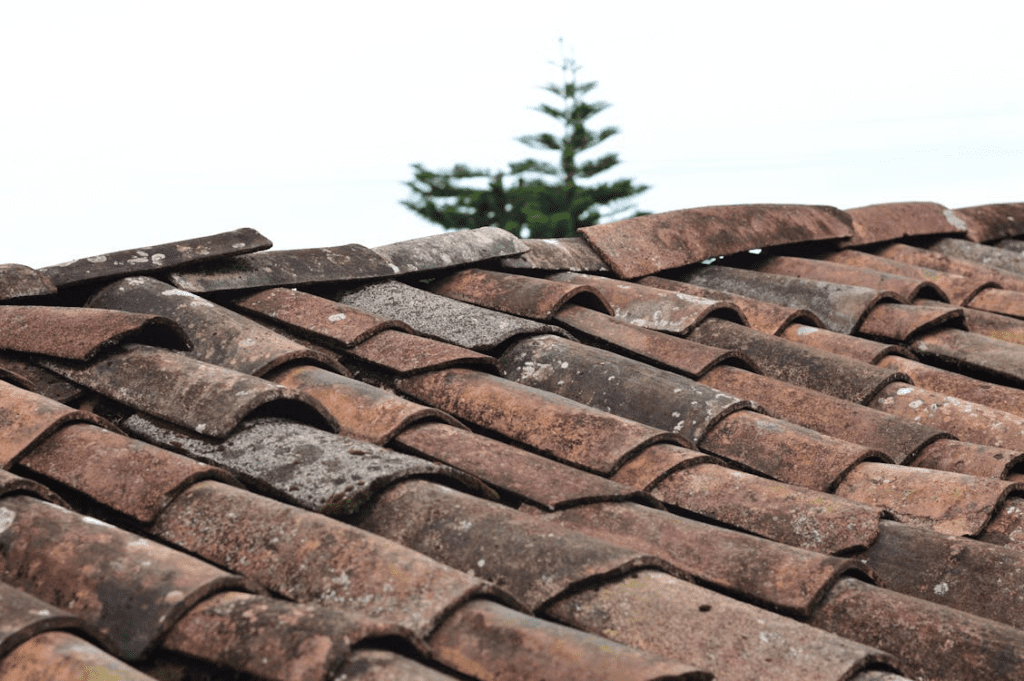
One of the earliest signs of UV damage is uneven fading across your roof. South-facing sections typically show more wear because they receive the most direct sunlight throughout the day. You might notice patches that look lighter or washed out compared to shaded areas. This fading indicates that the protective surface layer is breaking down, leaving the underlying material vulnerable to further damage.
2. Granule Loss on Asphalt Shingles
Those small, sand-like granules on asphalt shingles serve as the first line of defense against UV rays. When you start seeing granules collecting in your gutters or washing down the driveway after rain, it’s a sign that your shingles are losing their protection. Bare spots on shingles accelerate deterioration because the exposed asphalt absorbs more heat and breaks down faster. Studies on Florida sun exposure and building materials show how intense sunlight impacts home exteriors across the state.
3. Cracking and Curling
As UV rays dry out roofing materials, shingles become brittle and start to crack. You might also notice edges curling upward or corners lifting away from the roof surface. These changes create gaps where water can seep underneath, leading to leaks and potential structural damage. Cracked and curled shingles rarely recover on their own, so replacement becomes necessary once the damage reaches this stage.
4. Blistering and Bubbling
Heat from UV exposure can cause moisture trapped inside shingles to expand, creating blisters or bubbles on the surface. These raised areas weaken the shingle’s structure and often pop during temperature changes, exposing the material underneath. Blistering typically indicates that the roof has been dealing with excessive heat stress for an extended period.
Why Florida Roofs Face Higher Risk
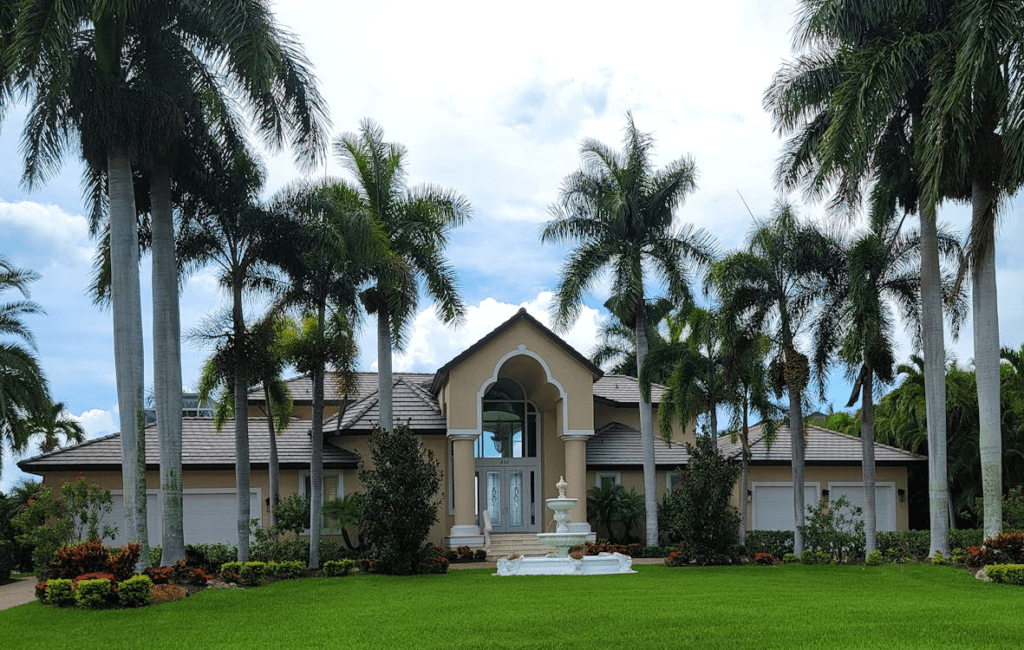
Florida’s location means roofs here deal with more intense and prolonged UV exposure than most other states. The sun sits higher in the sky for more months of the year, and the humid climate adds another layer of stress. Moisture and heat work together to speed up the chemical breakdown that UV radiation starts. Combine that with occasional hurricanes and heavy storms, and Florida roofs face a unique combination of challenges that can shorten their lifespan significantly.
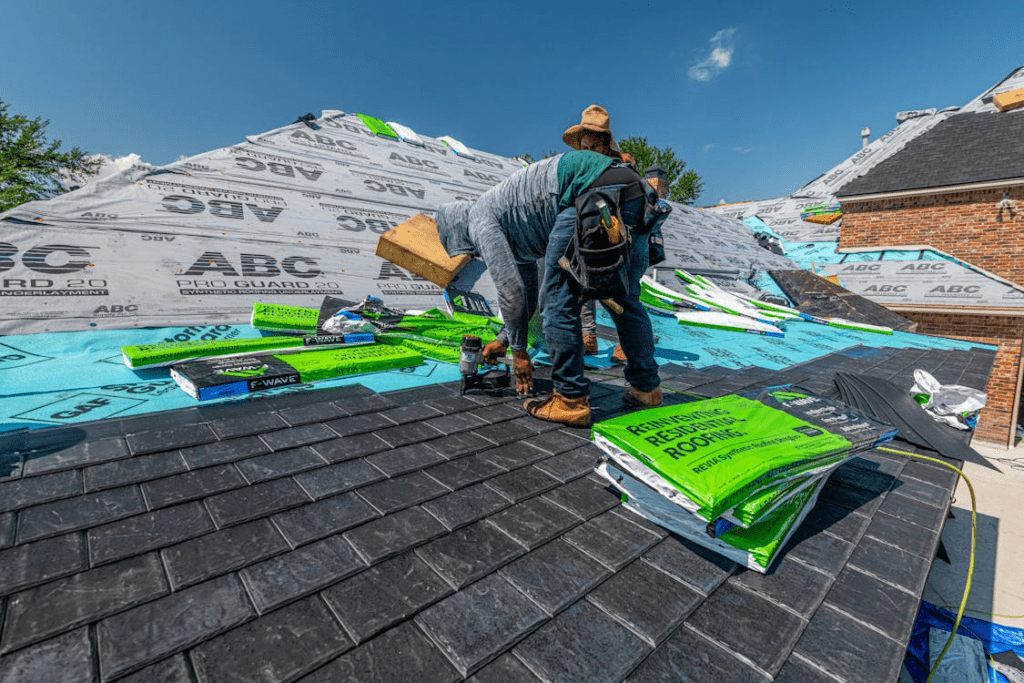
A professional roofing inspection in florida can identify UV damage that isn’t obvious to the untrained eye. Inspectors know where to look and what subtle changes indicate bigger problems brewing beneath the surface. Regular inspections catch issues early, when repairs are still manageable and affordable.
Protecting Your Roof from UV Damage
Choosing the right materials makes a real difference in how well your roof holds up against Florida’s sun. Lighter-colored roofing reflects more UV radiation, reducing heat absorption and slowing down deterioration. The Department of Energy highlights cool roof benefits in hot climates, noting that reflective roofing can lower surface temperatures by up to 50 degrees compared to traditional dark materials.
If you’re planning a roof replacement or new installation, exploring energy efficient roofing options for florida homes gives you a solid starting point. Materials like metal roofing with reflective coatings, light-colored tiles, and specially designed cool shingles all perform better under intense UV exposure than standard options.
Don’t wait until a small problem becomes a major expense. Request your free roof scan today and find out exactly where your roof stands.
Staying Ahead of Sun Damage
UV damage doesn’t announce itself with dramatic leaks or visible holes. It works slowly, weakening your roof over months and years until something finally gives. Florida homeowners who pay attention to the subtle signs, like fading, granule loss, cracking, and blistering, can address problems before they spiral into costly emergencies. Regular inspections and smart material choices go a long way toward keeping your roof in good shape despite the relentless Florida sun.
Need Expert Advice on Your Roofing Project? Contact us today!
Get A Free Estimate
"*" indicates required fields
