What To Do If a Tornado Damages Your Roof
A tornado can cause serious damage to your home, and your roof is often the first thing to take a hit. If you’re dealing with tornado roof damages, it’s natural to feel overwhelmed. This guide will walk you through what you need to do, from immediate safety steps to getting your home back in shape. We’ll cover how to check for damage, talk to your insurance, and find the right help to fix your roof.
Key Takeaways
- Your immediate safety is the top priority. Check for injuries and assess your property for any new dangers before you do anything else.
- Understand the different kinds of tornado roof damages. Things like missing shingles, lifted sections, or damage from flying debris are common signs.
- Contact your insurance company as soon as possible. Review your policy to know what’s covered and start the claims process early.
- Find a reliable roofing contractor. Look for someone licensed, insured, and experienced in handling storm damage claims.
- Work closely with your insurance adjuster. Provide them with documentation and photos of the damage to help with your claim.
Immediate Steps After Tornado Roof Damages
When a tornado tears through your neighborhood, the immediate aftermath can feel overwhelming, especially if your roof has taken a hit. Your first priority is always safety. Take a deep breath; we’ll walk through what you need to do right away.
- Prioritize Safety First:
Check yourself and others for injuries before assessing any damage. Call for medical help if needed and notify loved ones that you’re safe. Stay tuned to weather alerts in case of additional storms. - Watch for Hazards:
Avoid entering damaged areas until authorities say it’s safe. Stay clear of downed power lines, sharp debris, and possible gas leaks. Wear protective clothing and shoes when moving around your property. - Document the Damage:
Take photos or videos from a safe distance — never climb onto the roof. Focus on visible damage like missing shingles, holes, or debris. Keep receipts for temporary repairs (like tarps), as insurance often reimburses these costs.
By acting quickly and safely, you’ll make the recovery process smoother and ensure accurate documentation for repairs and insurance claims.
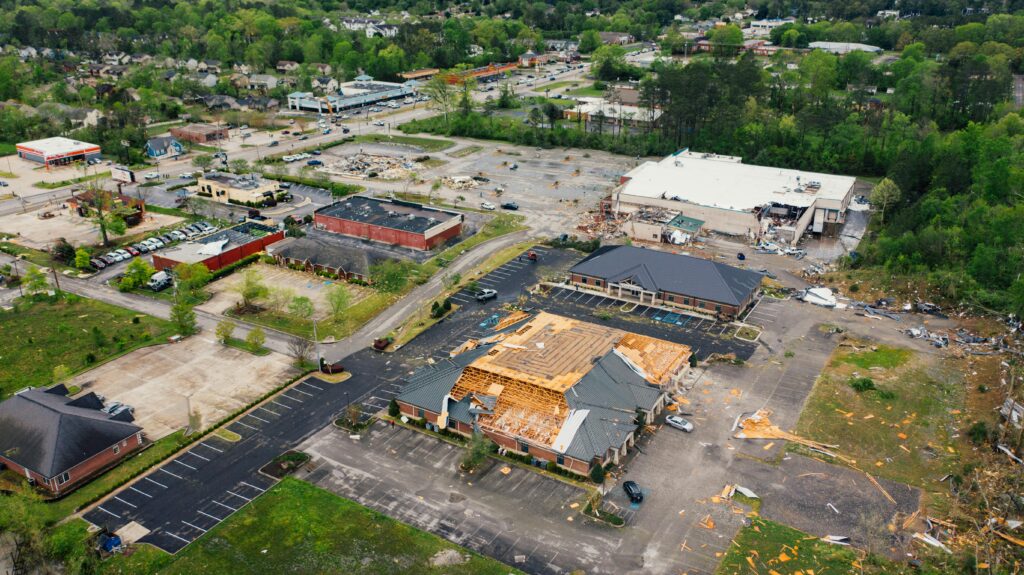
Understanding Tornado Roof Damages
When a tornado rips through your area, the damage to your roof can range from minor to catastrophic. It’s not just about missing shingles; understanding the different types of damage can help you communicate effectively with contractors and your insurance company. Let’s break down what you might be looking at.
Common Types of Wind-Related Roof Damage
Tornadoes bring incredibly powerful and unpredictable winds. These winds can cause a variety of issues for your roof:
- Shingle Damage: At the lower end of the spectrum, strong gusts can lift, tear, or completely blow off shingles. This leaves the underlayment and roof deck exposed to the elements.
- Flashing and Seal Failure: The metal flashing around chimneys, vents, and valleys is designed to create a watertight seal. Intense winds can loosen or tear this flashing, compromising the seal and allowing water to seep in.
- Gutter Damage: Gutters can be ripped away from the roof’s edge, or fasteners can be pulled out, leading to water pooling near your foundation.
- Wind Lift: This is a more severe type of damage where the wind’s force actually lifts the entire roof structure off the home’s framing. This is a major structural issue that requires immediate and extensive repair.
Recognizing Signs of Structural Compromise
Beyond visible damage to shingles, there are other signs that indicate your roof’s structural integrity might be compromised. It’s important to look for these, even if the roof appears mostly intact from the ground:
- Sagging Roof Deck: If you notice any areas of your roofline that appear to be sagging, it could mean the underlying structure has been weakened.
- Loose or Damaged Fascia and Soffits: These are the boards that run along the edge of your roof and the underside of your eaves. Wind can tear them away, exposing the roof structure to more damage.
- Water Stains in the Attic: Even if the exterior looks okay, check your attic for any signs of water intrusion. Stains on the rafters or insulation can indicate a leak that started at the roof deck.
The Impact of Debris and Water Intrusion
Storms often carry debris, from small branches to larger tree limbs, and sometimes even entire objects. When this debris impacts your roof, it can cause significant problems:
- Impact Damage: Larger pieces of debris can dent or puncture shingles, creating an entry point for water. Even smaller debris can knock off protective granules from asphalt shingles, making them more susceptible to sun and rain damage over time.
- Water Intrusion: Any breach in your roof’s protective layer, whether from wind damage or debris impact, can lead to water intrusion. This can happen immediately during the storm or develop over time as water finds its way through compromised seals or damaged materials.
- Secondary Damage: Once water gets into your roof system, it can damage the underlayment, the roof deck, insulation, and even the interior of your home, leading to mold growth and structural rot if not addressed promptly.
It’s easy to focus on the missing shingles, but the real danger often lies in the unseen. Water intrusion is a silent threat that can cause extensive damage to your home’s structure and lead to costly repairs if not caught early. Always check your attic and ceilings for any signs of leaks after a storm.
Related: Choosing The Best Hurricane Proof Roofs
Contacting Your Insurance Provider

After a tornado has damaged your roof, reaching out to your insurance company is a really important step. It might feel overwhelming, but getting the ball rolling with your policy is key to getting your home repaired.
- Review Your Policy First:
- Check your coverage for wind and storm damage.
- Note your deductible amount.
- Look for exclusions or special storm-related requirements.
- Start the Claims Process Quickly:
- Contact your provider as soon as possible — delays can make it harder to prove storm-related damage.
- Be ready to share basic details about the tornado and the visible roof damage.
- Gather Essential Documentation:
- Take clear photos or videos of the roof (from the ground).
- Record the date and time of the tornado.
- Save receipts for temporary repairs like tarps or plywood.
Taking these steps early helps speed up your claim and ensures your home gets repaired faster.
Related: How Wind Mitigation Can Save You on Insurance
Hiring a Professional Roofing Contractor
After a tornado, dealing with roof damage can feel overwhelming. Your next big step is finding someone qualified to fix it. Choosing the right roofing contractor is super important for getting your home back to normal safely and correctly. It’s not just about finding the cheapest option; it’s about finding someone you can trust to do the job right.
Find a Trusted and Experienced Roofer
- Choose a licensed and insured contractor — always ask for proof.
- Look for strong warranties on labor and materials.
- Check online reviews, ask for local recommendations, and consider certified professionals.
What to Expect During an Inspection
- The roofer will inspect your roof exterior, attic, gutters, and vents.
- They’ll document missing shingles, dents, leaks, or structural issues.
- A full inspection ensures no hidden damage is missed before repairs begin.
Reviewing Repair Estimates
- Expect a detailed, written estimate outlining labor, materials, and total cost.
- Compare multiple quotes — focus on quality, not just price.
- Avoid contractors who pressure you to sign quickly or offer “too good to be true” deals.
- Choose professionals who communicate clearly and stand behind their work.
Hiring a qualified roofing contractor helps ensure your home is repaired safely, efficiently, and to the highest standards.
Related: How to prepare your house for a hurricane
Navigating the Insurance Claim Process
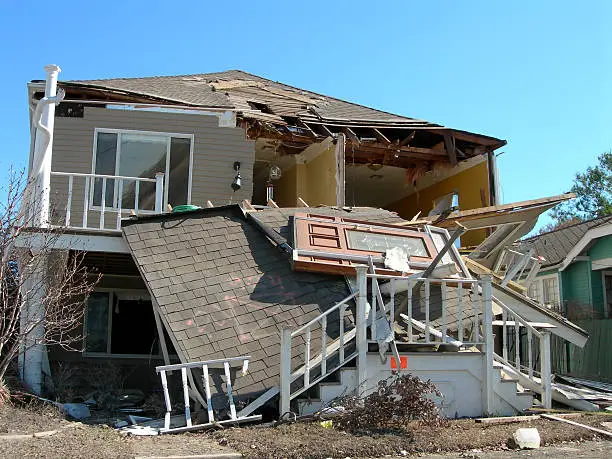
After a tornado, insurance can seem overwhelming, but it needs not be. With assistance and a qualified roofing team, the procedure can go more smoothly. Wescon Construction has handled hundreds of storm-related claims for Florida residents and businesses, so we know how to restore your roof properly.
- Work With Your Insurance Adjuster — and Bring Your Roofer Along
Once you file a claim, your insurance company will send an adjuster to inspect the damage. They’ll assess your roof and determine what’s covered. It’s always a smart idea to have your own roofer present during that inspection. Our experienced team can help point out damage that might be easy to miss and make sure everything is properly documented — from missing shingles to hidden structural issues. - Understand How Payments and Deductibles Work
Every insurance policy is a little different. Some pay out based on your roof’s current (depreciated) value, while others cover the full replacement cost. You’ll also need to pay your deductible before your insurance kicks in. The key is knowing what type of coverage you have and what to expect so you’re not caught off guard once repairs begin. - Make Sure Repairs Meet Local Building Codes
Once your claim is approved, the repair work can start — but it’s important that everything meets local building standards. Sometimes insurance estimates don’t include code upgrades or extra materials needed for a long-lasting repair. That’s where we step in to help. Our team works directly with adjusters to make sure nothing is overlooked and your roof is brought back up to code safely and completely.
At Wescon Construction, we know how stressful storm recovery can be — and we’re here to make it easier. Our goal is to ensure your roof is repaired correctly, your claim is handled smoothly, and your home is protected for years to come.
Moving Forward After the Storm
Dealing with tornado damage to your roof can feel overwhelming, but remember you’re not alone in this. Taking things one step at a time is key. First, always make sure you and your family are safe and accounted for. Then, document any damage you see, and don’t hesitate to reach out to your insurance company and a trusted local roofer. They’re there to help guide you through the repair process. It might take a little while, but with the right help, you’ll get your home back in good shape. Just focus on the next immediate step, and you’ll get through this.
Need Expert Advice on Your Roofing Project? Contact us today!
Get A Free Estimate
"*" indicates required fields
