
When Roof Flashing Fails (And Why It Matters)
Your roof might look solid from the ground, but there’s a hidden weakness that causes more water damage than most homeowners realize. Roof flashing, those thin metal strips installed around chimneys, vents, skylights, and roof edges, serves as your home’s first line of defense against water infiltration. When this protective barrier fails, the consequences can range from minor staining to major structural damage that costs thousands to repair. Understanding what flashing does and recognizing the warning signs of failure can save you from expensive headaches down the road.
Key Takeaways
- Roof flashing creates watertight seals at vulnerable transition points where different roof components meet.
- Failed flashing is one of the most common causes of roof leaks in Florida homes.
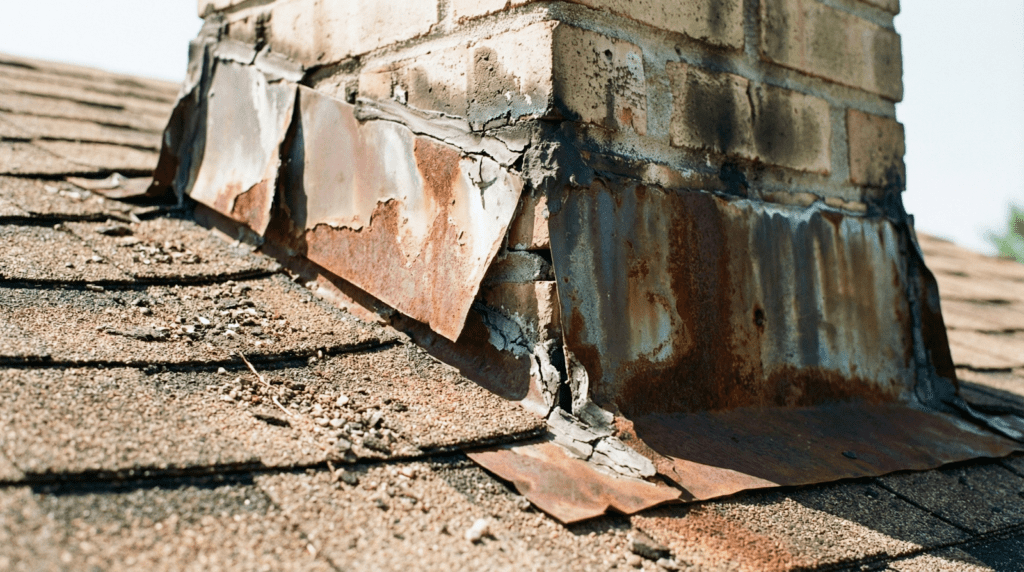
- Warning signs include visible rust, lifted edges, cracked sealant, and water stains on interior ceilings.
- Florida’s heat, humidity, and storms accelerate flashing deterioration faster than in milder climates.
- Regular professional inspections can catch flashing problems before they lead to costly interior damage.
What Roof Flashing Actually Does
Think of flashing as the waterproof tape that seals the gaps where your roof’s components meet. Every roof has vulnerable spots where water could potentially sneak in, including around chimneys, where the roof meets walls, around vent pipes, at skylights, and along valleys where two roof planes intersect. The roof flashing installation basics involve layering metal strips and sealants in specific patterns to direct water away from these openings.
Most residential flashing is made from aluminum, galvanized steel, or copper. Each material has its strengths. Aluminum resists rust but can corrode when it contacts certain metals. Galvanized steel offers durability at a lower cost. Copper lasts the longest but comes with a higher price tag. Regardless of material, all flashing eventually wears down from constant exposure to sun, rain, temperature swings, and the settling of your home’s structure.
Why Roof Flashing Fails
Several factors contribute to flashing failure, and Florida’s climate makes things harder on your roof than most places. The intense UV exposure breaks down sealants and causes metal to expand and contract repeatedly. Afternoon thunderstorms pound flashings with heavy rain, while salt air in coastal areas speeds up corrosion. Understanding the common causes of roof leaks helps homeowners know what to watch for.
Age and Material Breakdown
Even high-quality flashing doesn’t last forever. Aluminum typically holds up for 15 to 20 years, while galvanized steel may need attention around the same timeframe. The sealants and caulking used alongside metal flashing often fail sooner, sometimes within 5 to 10 years. When these secondary seals crack or pull away, water finds its way underneath the metal.
Improper Installation
Bad installation causes problems faster than normal wear. If flashing wasn’t properly overlapped, secured with the right fasteners, or sealed correctly from the start, leaks can develop within just a few years. Florida has specific building code requirements for roof flashing designed to handle our hurricane conditions. Not all contractors follow these standards closely.
Storm Damage
High winds can lift flashing edges, break seals, and drive rain underneath shingles at angles that normal rainfall wouldn’t reach. Even storms that seem minor can loosen flashing enough to create slow leaks that go unnoticed for months. This is why post-storm inspections matter, especially after tropical weather moves through Central Florida.
Warning Signs Your Flashing Needs Attention
Catching flashing problems early makes repairs simpler and cheaper. Some signs are visible from the ground, while others require a closer look. If you’re trying to figure out how to find stubborn roof leaks, checking the flashing should be your first step.
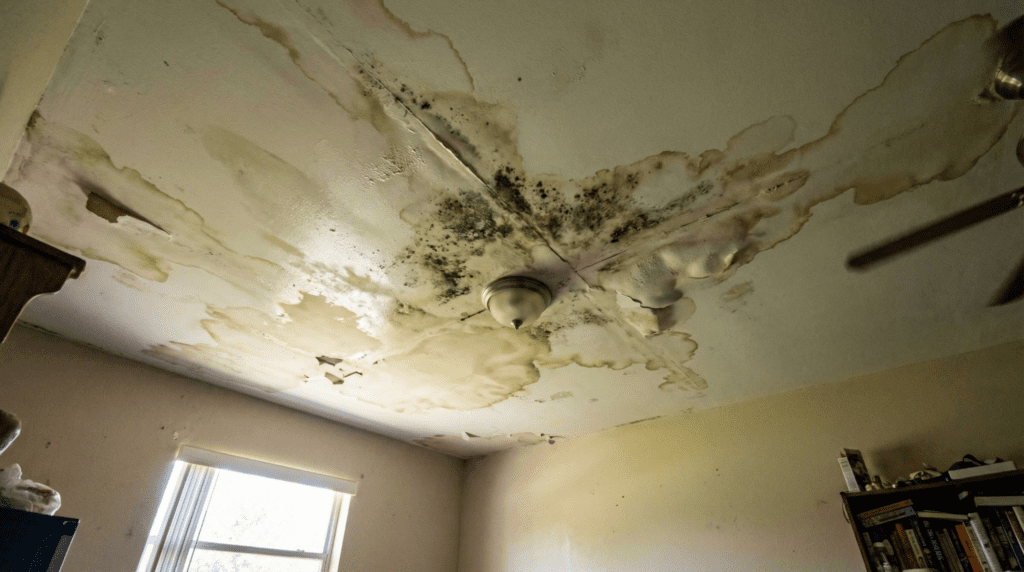
Look for rust spots or discoloration on metal surfaces. Check whether flashing edges appear lifted or bent away from the surface they should seal against. Notice any cracks, gaps, or missing chunks in the sealant along flashing edges. Inside your home, water stains on ceilings near exterior walls, around skylights, or below where the roof meets your chimney often point to flashing issues.
What Happens When Flashing Problems Go Unfixed
Ignoring flashing damage invites bigger problems. Water that gets past failed flashing soaks into roof decking, insulation, and framing. In Florida’s humid environment, that moisture creates perfect conditions for mold growth. What starts as a small damp spot can spread through wall cavities and attic spaces, affecting air quality and potentially causing health issues for your family.
Wood rot follows prolonged moisture exposure. Once rot sets into roof decking or rafters, you’re looking at structural repairs that cost far more than fixing flashing would have. Insurance claims for water damage often face scrutiny over whether the homeowner maintained the roof properly. Documenting regular inspections and prompt repairs strengthens your position if you ever need to file a claim.
When to Call a Roofing Professional
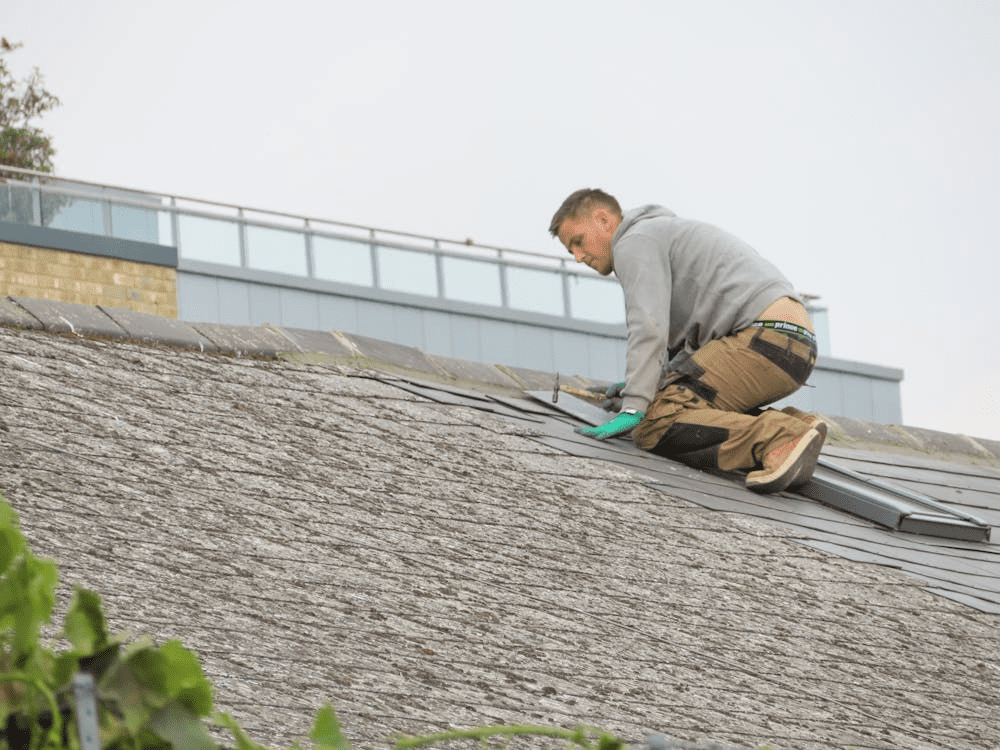
Some homeowners feel comfortable inspecting their roofs, but working at height carries real risk. Professional roofers have the equipment, training, and experience to spot problems that untrained eyes miss. A thorough roofing inspection in Florida covers not just flashing but also shingles, underlayment, ventilation, and structural concerns.
If you notice any warning signs or your roof is approaching the 15-year mark, scheduling an inspection makes sense. After any significant storm, having a professional check for damage can catch problems before they worsen. Companies specializing in roofing repair Florida homeowners trust understand the specific challenges our climate presents.
Protect Your Home Before Small Problems Grow
Don’t wait for water stains or mold to tell you something’s wrong with your roof. Wescon Construction offers complimentary assessments to help Central Florida homeowners stay ahead of potential damage. Schedule your free roof scan today and get peace of mind knowing exactly where your roof stands.
Conclusion
Roof flashing might be one of the least glamorous parts of your home, but it does some of the most important work in keeping water out. The metal strips around your chimney, vents, skylights, and roof edges take constant abuse from Florida’s sun, rain, and storms. When they fail, the consequences extend far beyond a simple leak. Wood rot, mold, and structural damage can follow if problems aren’t addressed quickly.
Paying attention to the warning signs and scheduling regular professional inspections keeps small issues from becoming expensive disasters. Your roof protects everything underneath it, and flashing protects your roof’s most vulnerable points. Taking care of it now saves you from headaches and repair bills later.
Need Expert Advice on Your Roofing Project? Contact us today!
Get A Free Estimate
"*" indicates required fields
