
How Often Should Florida Homes Get Roof Inspections?
Your roof is your home’s first line of defense, especially here in Florida where the weather can be pretty brutal. Intense sun, heavy rains, and hurricane winds all take a toll. Most people don’t think about their roof until there’s a problem, like a leak. But waiting until then can mean bigger, more expensive repairs. So, you’re probably wondering, How Often Should Florida Homes Get Roof Inspections? It’s a question that can save you a lot of money and headaches down the road. Let’s break down what you need to know about keeping your roof in good shape.
Key Takeaways
- Florida’s harsh sun, humidity, salt air, and storms harm roofs, making annual inspections necessary.
- Florida homeowners should have their roofs properly examined at least once a year, preferably twice (spring and fall).
- Make sure to have an inspection after a hurricane or violent thunderstorm to find hidden damage.
- How often you require checks depends on your roofing material—shingles, metal, tile, or flat.
- Regular maintenance and inspections are less than major repairs or roof replacement and help keep your insurance valid.
Understanding Florida’s Unique Roofing Challenges

Florida’s unique climate presents significant challenges for roofing, making it essential for homeowners to understand the specific threats their roofs face. The intense sunlight and heat can dry out shingles, leading to brittleness and reduced lifespan. Persistent humidity introduces moisture that can cause mold and rot, while coastal areas contend with corrosive salt air that accelerates rusting of metal components. Additionally, Florida’s susceptibility to hurricanes and strong winds poses risks of shingle loss and hidden damage. This rigorous environment requires regular roof inspections and maintenance to preserve longevity and integrity.
Establishing Your Ideal Roof Inspection Schedule
Establishing an ideal roof inspection schedule is crucial for homeowners in Florida, where the climate can pose significant risks to roofing integrity. While an annual inspection is the minimum recommended frequency to catch potential issues early, many experts advocate for bi-annual inspections. This proactive approach involves checking the roof in the spring to prepare for hurricane season and again in the fall to assess any damage after storms. By adhering to this schedule, homeowners can prevent costly repairs and ensure their roofs remain in good condition throughout the year.
Post-Storm Inspections: A Critical Necessity
This is where things get really important. After any major storm that brings high winds or heavy rain, you absolutely need to get your roof inspected. Don’t wait for visible signs of damage. A storm can cause subtle issues, like dislodged shingles or compromised flashing, that might not be obvious from the ground. Checking your roof right after a storm is not optional; it’s a critical step to protect your home.
Here’s a quick rundown of when to prioritize an inspection:
- Annually: This is your baseline, ideally done in the spring.
- Bi-Annually: Spring and Fall offer the best coverage for Florida’s climate.
- After Major Storms: Don’t skip this step if your home experiences severe weather.
Ignoring your roof’s condition can lead to a cascade of problems, from water damage inside your home to reduced energy efficiency and even structural compromise. Regular checks are your best defense.
Remember, your roof is constantly battling the elements here in Florida. Staying on top of inspections means you’re staying ahead of potential damage and keeping your home safe and sound.
How Roof Material Influences Inspection Needs
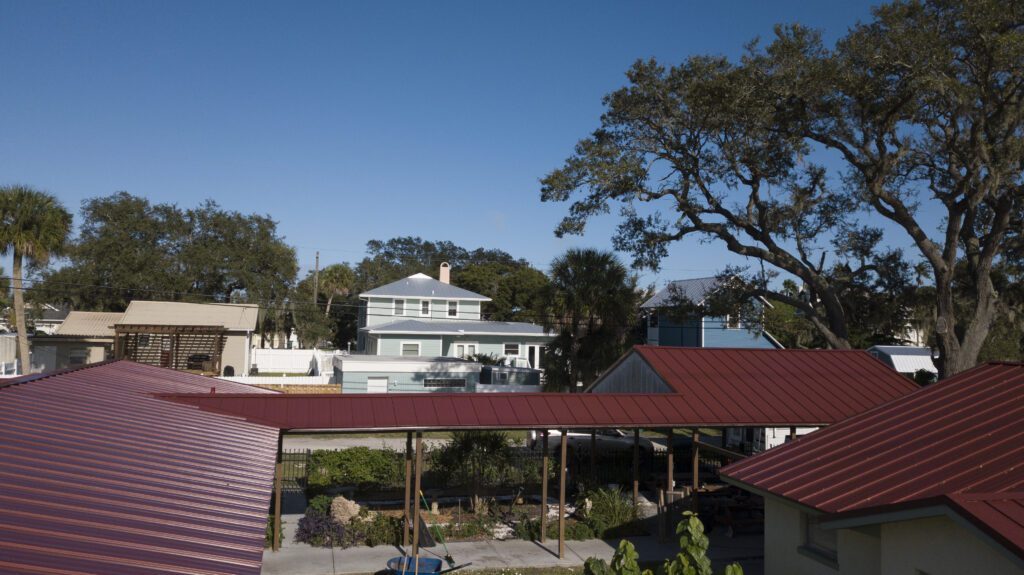
Not all roofs are created equal, and the material covering your Florida home plays a big part in how often you should be looking over it. What works for one type of roof might not be the best approach for another. Let’s break down what you need to know for common roofing materials you’ll find here.
Asphalt Shingle Roofs: Frequent Monitoring
Asphalt shingles are super common, probably because they’re a bit easier on the wallet upfront. But, they take a beating in Florida’s sun and heat. The intense UV rays can make them brittle over time, and wind can lift them. You’ll want to keep an eye on these more often than other types. Look for granules in your gutters – that’s a sign the shingles are losing their protective layer. Regular checks every 6 to 12 months are a good idea for asphalt shingle roofs.
Metal Roofs: Checking Fasteners and Rust
Metal roofs are tough cookies, really holding up well against wind. They can last a long time, but they aren’t totally maintenance-free. The screws that hold the metal panels down have little rubber washers. Over the years, especially with Florida’s weather, these can dry out and crack. An inspection should focus on making sure those fasteners are still tight and checking for any signs of rust, particularly around edges or where panels meet. You’re generally looking at an inspection every year or two for metal roofs.
Tile Roofs: Assessing Tiles and Underlayment
Whether you have clay or concrete tiles, they can look fantastic and last for ages – we’re talking 50 years or more sometimes. The catch? They can be a bit fragile underfoot. Walking on them incorrectly can crack them. What often goes first, though, is the underlayment beneath the tiles. Inspectors will check for any cracked or broken tiles and make sure debris isn’t building up in the valleys, which can cause water to pool. Plan for an inspection every 1 to 2 years.
Flat Roofs: Ensuring Clear Drainage and Seals
Flat roofs, often found on additions, garages, or commercial buildings, don’t have the steep slope to shed water quickly. This means water pooling is a real concern. Because of this, they need more frequent attention. You should aim for inspections every 6 months for flat roofs. The main focus here is making sure the drains are clear of leaves and debris and that all the seams and seals are still in good shape to prevent leaks. It’s important to have a professional check these out regularly, especially after heavy rain events. If you’re looking for a reliable roofing contractor in Melbourne, FL, make sure they have experience with Florida’s climate local experience.
What Professional Roof Inspections Entail

When you decide to get a professional roof inspection, you’re not just getting a quick look-see from the ground. A good inspector does a deep dive into your roof’s health, checking all the nooks and crannies to catch problems before they get big and expensive. It’s about getting a clear picture of what’s really going on up there.
Thorough Interior Attic Examination
Before even stepping onto the roof, a pro will likely want to check out your attic. This is where you can often spot early signs of trouble. They’ll be looking for:
- Proper ventilation: Is air flowing correctly? Bad ventilation can trap heat and moisture, leading to all sorts of issues.
- Signs of leaks: Water stains on the underside of the roof deck or on the attic’s insulation are a big red flag.
- Sagging or soft spots: This could indicate structural damage or rot in the roof sheathing.
- Insulation condition: While not directly a roof issue, damp insulation can point to moisture problems from above.
Comprehensive Exterior Roofing System Check
This is where the inspector gets hands-on with the actual roof. They’ll systematically go over every part of your roof’s exterior. This includes:
- Shingles and tiles will be checked for missing, cracked, loose, or curling. They’ll also check for severe wear like balding asphalt shingles.
- Flashing: Metal around chimneys, vents, skylights, and roof valleys. It leaks easily if damaged, loose, or inadequately sealed.
- Fasteners: They’ll examine screws and nails for metal roofs to ensure they’re tight. Nail pops can affect shingle roofs.
- Water can back up and seep beneath shingles or into the fascia from clogged gutters. They’ll inspect for obstructions, secure attachment, and drainage.
- Pipe Boots: Leaks can result from dry, cracked rubber seals around plumbing vents.
A professional inspector knows how to walk on your roof without causing damage. They use soft-soled shoes and understand where to step. Trying to do this yourself is actually more likely to cause harm to your roof than hiring someone who does it for a living.
Detailed Reporting and Transparency
After the inspection is complete, you shouldn’t just get a verbal “looks okay.” A professional inspection should come with a detailed report. This report should clearly outline:
- The overall condition of your roof.
- Any specific issues found, with explanations of what they are.
- Recommendations for repairs or maintenance needed.
- Often, photos of any problems are discovered to help you see what the inspector saw.
This detailed report is your roadmap for understanding your roof’s current state and planning for its future care. It helps you make informed decisions and provides a record of your roof’s condition, which can be important for insurance purposes or when you eventually sell your home.
The Importance of Regular Roof Maintenance
Think of your roof as the shield protecting your entire home. Just like any shield, it needs regular care to stay strong. Neglecting it can lead to a cascade of problems, some of which can get really expensive, really fast. Staying on top of maintenance isn’t just about fixing things when they break; it’s about preventing those big, stressful repairs in the first place. Let’s break it down:
- Small maintenance issues, like loose shingles, can lead to significant structural damage if not addressed promptly.
- Early intervention can prevent water damage and the need for extensive repairs.
- Homeowners’ insurance policies may require regular roof maintenance for validity; neglect could result in denied claims.
- Keeping documentation of inspections and maintenance is beneficial for future claims.
- Regular inspections (at least annually) can extend the lifespan of a roof by addressing minor issues early, such as algae growth and debris accumulation.
- Preventative care is more cost-effective compared to emergency repairs or full roof replacements.
- Professional inspections and minor repairs can save substantial amounts of money and stress over time.
- Engaging qualified professionals for regular checks is advisable to maintain roof integrity.
Choosing the Right Roofing Professional
Finding someone you can trust to look at your roof is a big deal. It’s not just about getting a quick look; you want someone who really knows what they’re doing, especially here in Florida with our crazy weather. Picking the wrong person could mean missing important issues or even paying for work you don’t need.
Verifying Licensing and Insurance
First, verify sure any roofer you choose is licensed and insured. Protection is the purpose of this formality. If an uninsured worker gets hurt on your property, you may be liable. Licensed and insured professionals meet state regulations and have coverage. Let no one work on your roof without confirmation.
Assessing Local Experience and Expertise
The bright sun, salty air near the shore, and unexpected, severe storms test Florida roofs. You need a roofer who knows these situations. Someone who has worked in your area for a while knows the local building codes, Florida home issues, and finest materials. Ask them how long they’ve been in business locally and if they know any local roof kinds.
Seeking Recommendations and Reviews
Word-of-mouth is still an effective approach to locate aid. Find out if your neighbors, friends, or family liked a local roofing provider. Beyond personal suggestions, read online reviews. You can’t believe everything you read, but a pattern of favorable feedback or complaints might be telling. Look for organizations that respond to reviews, good and poor, to show customer care.
- Check online review sites (Google, Yelp, etc.).
- Ask for references from recent customers.
- See if they have any local awards or certifications.
A good roofing professional is transparent about issues and necessary work, providing clear explanations and visual evidence. Choosing the right roofer is crucial for quality and protection of your home; avoid hasty decisions and conduct research before selecting a contractor.
Don’t Wait for the Drip: Your Roof’s Best Defense
Your roof works hard every day. This is your home’s principal defense against Florida’s extreme weather—sun, rain, wind, etc. It’s perilous to ignore it until something goes wrong. Remember to inspect your roof annually. Better still, get two checks—one in spring before hurricane season and one in October after the storms pass. Don’t ignore water stains or shingle fragments in your gutters. Please let the pros do the major checks instead of climbing up there. Maintaining your roof is like saving for later. It safeguards your family, saves you money, and safeguards your home’s major investment. Don’t delay an inspection if it’s been a long if you’re afraid of following a storm. Check it out to feel confident your home can handle Florida’s weather.
Need Expert Advice on Your Roofing Project? Contact us today!
Get A Free Estimate
"*" indicates required fields
